Relational approaches can design and carry out applied research projects, produce literature reviews, facilitate stakeholder consultations, and evaluate programs. In each case, the aim is to translate evidence into actionable policy and practice recommendations.
Applied Research
The purpose of applied research is to find creative solutions to the everyday challenges faced by individuals, communities, and organisations. This kind of research is primarily driven by the lived experience of those who are personally affected by the issue. But it also requires the input of decision-makers in the government and NGOs, since they are responsible for ensuring that any proposed solutions will be fair, effective and properly resourced.
Relational Approaches can provide assistance or leadership in carrying out an applied research project. This can include designing the methodology, conducting stakeholder consultations, collating and analysing the data, writing up or reviewing the final report, collaborating with academic partners, and so on.
Examples
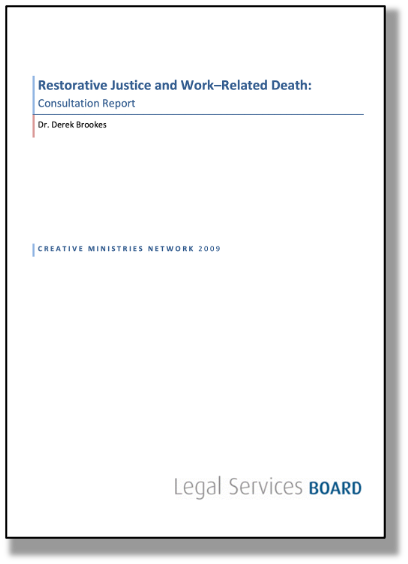
Restorative Justice & Work-related Death
Conducted qualitative research to explore the feasibility of a restorative justice service in the context of work-related death.
Funded by:

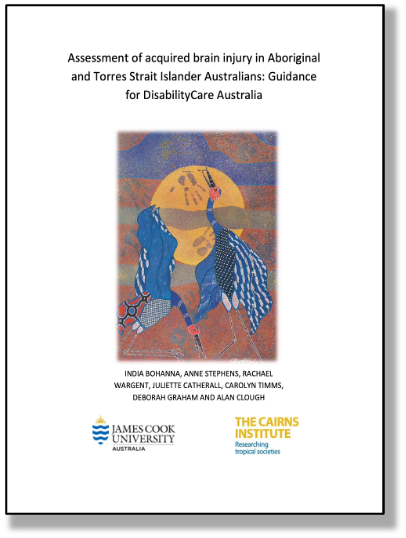
Culturally Appropriate NDIS Assessment
Co-managed a $440k project to develop a culturally appropriate assessment process for First Nations people with ABI. Since developed into The Guddi Way Screen.
Commissioned by:


Children of Prisoners Survey
Surveyed 200 prisoner-parents in NSW to determine the needs and circumstances of their children.
Commissioned by:

Literature Reviews
The purpose of a literature review is to explore what other experts and researchers have already written about a specific topic or issue. It offers a critical assessment of how well the issues have been addressed to date, and identifies areas where further investigation is needed. It then proposes a set of recommendations that can inform any future research, policy development, or change in practice.
Relational Approaches can create a literature review either as a stand-alone deliverable or as part of an applied research project.
Examples
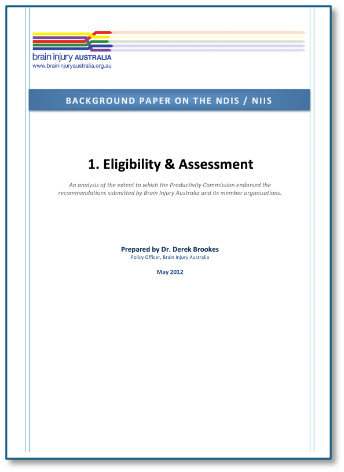
Background Papers on the NDIS / NIIS
Analysed the extent to which the Productivity Commission endorsed the recommendations submitted by BIA and its members.
Funded by:

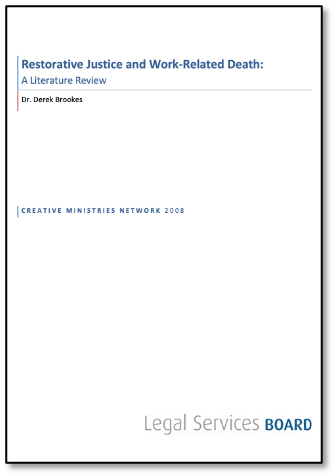
Restorative Justice & Work-related Death
Conducted a literature review on the use of restorative justice after a work-related death.
Funded by:
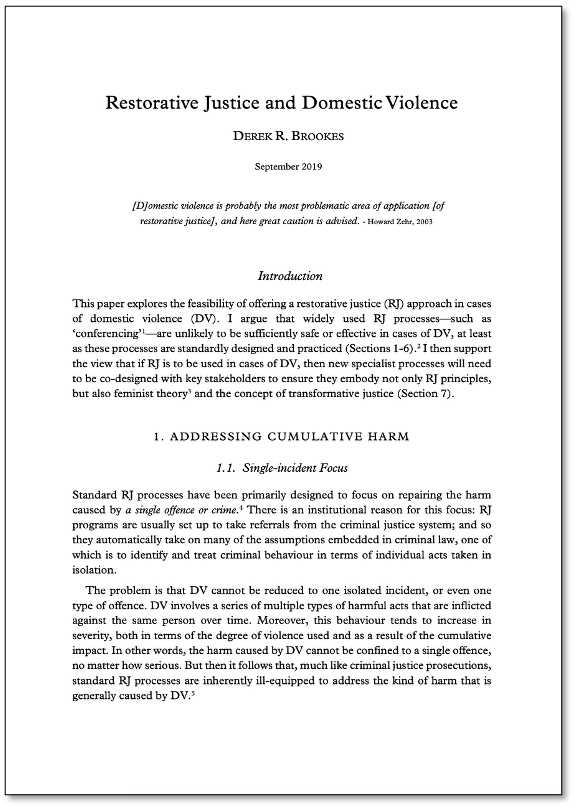
Restorative Justice & Domestic Violence
Explored the feasibility of offering a restorative justice approach in cases of domestic violence.
Funded by:

Consultation Reports
The aim of a consultation report is to ensure that policies and practices are informed by the views and suggestions of the people who are (or will be) directly impacted by them. This includes people with lived experience as well as advocates, family members, support workers, and decision-makers.
Relational Approaches is able to conduct stakeholder consultations and write up a final report, which would include a clear set of recommendations.
Examples
National NDIS Consultation Report (1)
Consultation with stakeholders across Australia on the NDIS/NIIS eligibility and assessment of persons living with an acquired brain injury.
Funded by:
National NDIS Consultation Report (2)
Consultation with stakeholders across Australia on the NDIS Rules Consultation Paper.
Funded by:
Program Evaluations
A program evaluation can enable an organisation to see whether it is achieving its stated objectives, operating in a cost- and labour-efficient way, and treating its workers and clients fairly and respectfully.
Relational Approaches can offer organisations an independent and objective evaluation of a program using a variety of methods, including feedback surveys, operational data, interviews, sampling, cost-benefit analysis, and so on.
Examples
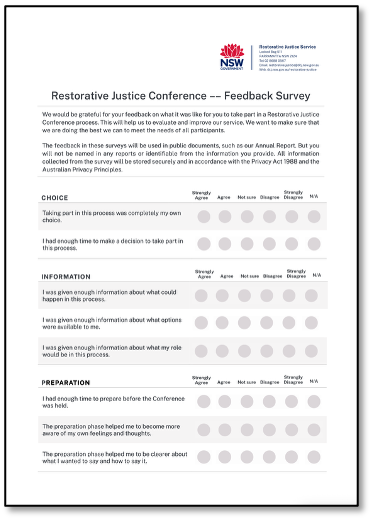
NSW Restorative Justice Service
Created a new monitoring and evaluation system for the DCJ adult restorative justice service.
Funded by:
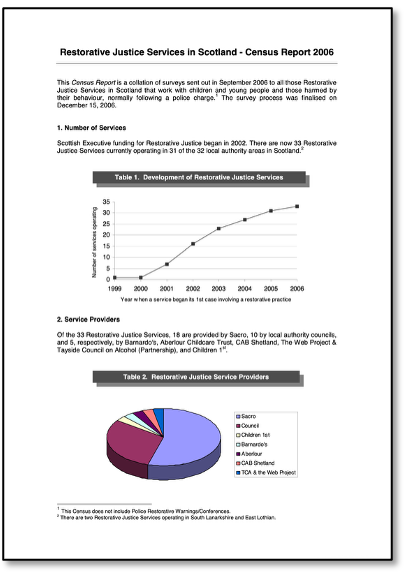
Restorative Justice Services in Scotland UK
Co-developed and managed a national evaluation framework to monitor the effectiveness of restorative approaches to youth justice.
Commissioned by:


